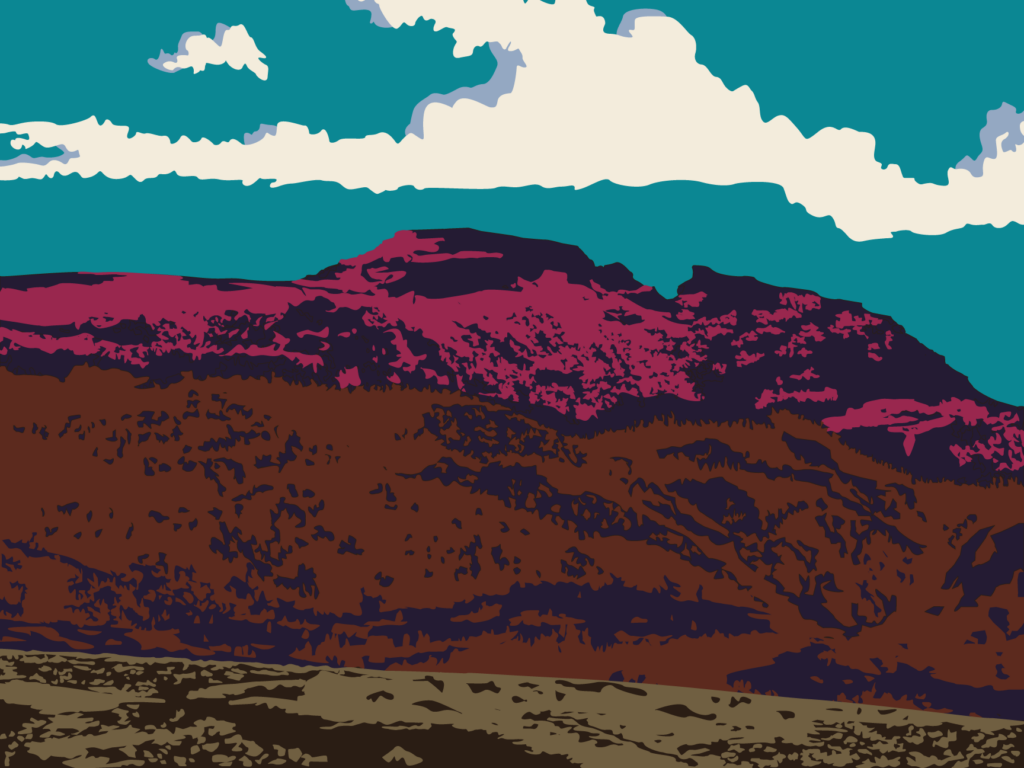
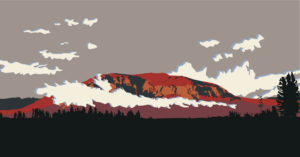
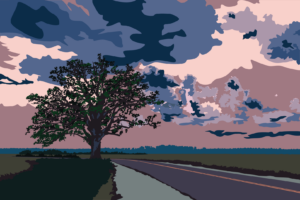
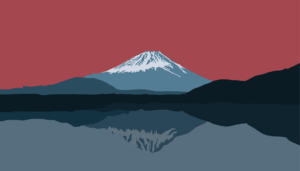
Sheep Mountain from the valley floor, in the short evening window when sagebrush stops pretending to be grey.
Notes
Old mountains, worn soft
This is the east side of Jackson Hole, and it’s the opposite problem from the Tetons. No abrupt anything. The Gros Ventre range is around 60 million years old – six times older than the range across the valley – and it’s had the time to get worn down into long slopes and rounded shoulders instead of spires. It also spends most of its life being looked past on the way to a better-publicized view.
That age shows up as banding. Sagebrush and grass on the lower slope, dark timber wherever water collects and the aspect is right, then exposed rock above treeline where nothing holds. Three zones stacked on one hillside, each one a hard edge against the next. That’s the whole reason to draw it.
The official name comes from the bighorn sheep that graze those slopes in summer before dropping to lower ground – most people in the valley call it something else, after the profile at the south end. The north flank is also where 50 million cubic yards came down in three minutes in 1925, damming the Gros Ventre River and creating Lower Slide Lake. Two years later that natural dam failed and destroyed most of Kelly. The scar is still visible. I lived in Jackson in the mid-eighties and looked at this mountain every day without knowing any of it.
Sagebrush country tells a color lie at noon. From the road it reads subdued, dusty, sensible. Then the light drops and the hillside goes purple, magenta, and brick red – colors you’d be accused of inventing if you painted them honestly. Eight flat colors, which is already questionable restraint on my part. The speckling on the slope is thousands of small shapes standing in for plants, because flat vector can’t fake that texture any other way. Tedious, and also the entire point.